
Hey there! Class 3 story writing is pretty simple. Kids don’t need big fancy words. They just need a cool idea. A simple start. A simple end. And a plot that’s easy to follow.
A good class 3 story has just a few people in it. Maybe a small problem. And an easy fix. That’s it!
Kids can write about animals. Or stuff that happens at school. Friends being nice. Telling the truth. Or helping someone out.
What Is Story Writing for Class 3 ?
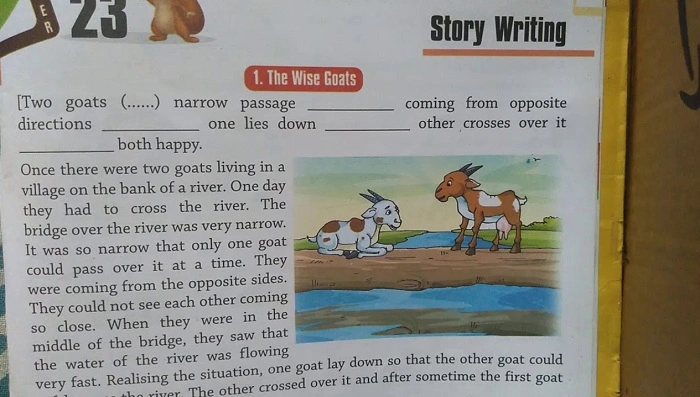
Story writing means making up a tale. It can be real or made up. A class 3 story can be about anything! But it needs a start, middle and end.
Keep your words short. Make your lines easy to read. Oh and try to add a little lesson at the end. You know, a moral!
Simple Story Writing Format
Beginning
The start of your story sets things up. It tells who’s in the story. Where are they ? When does it happen ?
You can start with “One Day” or “Once there was” or “In a small town.” Whatever you pick, keep it short and clear.
Middle
This is where the fun stuff happens! The people in your story do funny things. Or maybe something goes wrong. They might act in ways you don’t expect.
The middle is the best part. It’s exciting! Just make sure you explain things clearly so readers can follow along.
End
The end shows how the problem got fixed. Make it good! Try adding a small lesson here. That makes your story even better.
Story Example 1: The Honest Boy
A Lost Pencil Box
One day, Rohan was walking to class. He saw a pretty pencil box near the stairs.
He picked it up. He looked around. But no one was there.
Rohan really liked the pencil box. He wanted to keep it. But wait. It wasn’t his.
Rohan Makes the Right Choice
Rohan took the pencil box to his teacher. He told her where he found it. A bit later, Meera came in. She was looking for her pencil box. She loved it so much!
The teacher gave it back to Meera. Meera said thank you to Rohan. She was so happy he was honest!
Moral of the Story
Rohan felt good. He did the right thing. He learned that being honest feels great.
Moral: Always be honest.
Story Example 2: The Thirsty Dog
A Hot Afternoon
It was super hot outside. A dog walked from street to street. It was looking for water. It checked houses. It checked shops. But no water anywhere.
The dog was tired. But it didn’t stop trying.
The Dog Finds Water
After a while, the dog found a small bowl of fresh water near a shop. Yes! It drank the water slowly. After that, it felt so much better. It went to sleep under a tree.
Moral of the Story
The dog was really thirsty. But it kept going. And it found water! So never give up, okay ?
Moral: Never give up on yourself.
Also Read: Story for Kids Hindi
Story Example 3: The Kind Girl
An Old Woman Needs Help
One day, Ananya was walking home from school. She saw an old woman with two heavy bags.
The woman moved slowly. She looked so tired. Ananya wanted to help. The old woman smiled and gave her one bag.
A Small Act of Kindness
Ananya carried the bag all the way to the woman’s house. The old woman said thank you. Ananya didn’t want anything back. She just felt happy.
When she got home, she told her mom. Her mom was so proud of her!
Moral of the Story
Ananya did something nice. Helping others makes you feel good inside. Way better than anything else!
Moral: Be kind.
Story Example 4: The Clever Rabbit
A Rabbit in Trouble
A young rabbit was having a nice time near a forest. The air was cool and fresh. But uh oh! A hungry fox saw the rabbit. It wanted to eat it!
The rabbit ran fast. But it knew the fox was faster. So it had to think of a smart plan.
The Rabbit Uses Its Brain
The rabbit ran to a hole. It stopped next to it. Then it yelled, “Hey! There’s another rabbit in here!”
The fox looked in the hole. It saw a reflection. It thought there was really another rabbit! While the fox was confused, the rabbit ran away. Smart, right ?
Moral of the Story
The rabbit was small. But its brain was big! It used a clever trick to stay safe.
Moral: Use your brain.
Easy Topics for Class 3 Story Writing
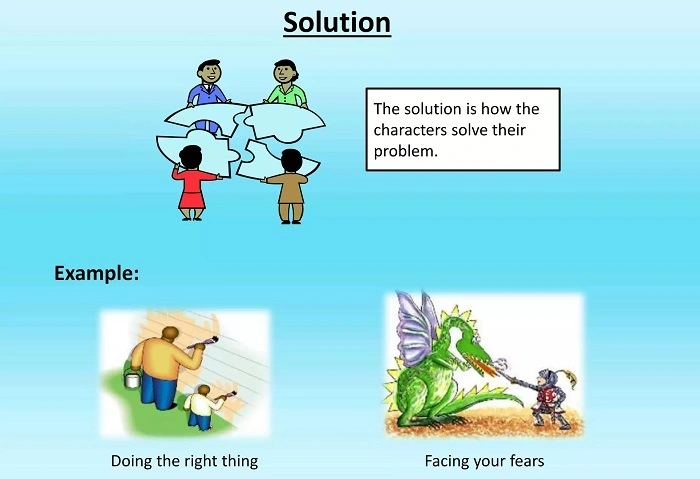
Pick something you like! Here are some ideas: a lost puppy, a helpful friend, a rainy day, a magic pencil, a fun picnic or a bird with a hurt wing. Just keep it simple. That way, writing is easier!
How to Start a Story
Starting can be tricky. But here’s a tip! Try these:
- “Once there was a little boy named Sam.”
- “One morning, Tina found an old box in her house.”
Make your start grab attention. Then keep going with easy words!
How to Make a Story Interesting
Keep things simple. Give just enough details. Add a problem to your story. That makes it exciting! Think of different ways to fix the problem. And don’t use too many people in your story. Just a few is best for class 3.
Use Short and Clear Sentences
Short sentences work best. They’re easy to read. Easy to write too!
Add a Good Ending
Every story needs a good ending. It wraps things up nice and neat. Show how the problem got fixed. Don’t end too fast! Tell how the people in your story feel at the end.
Story Writing Tips for Class 3
Plan your story first. Think about who’s in it. Where does it happen ? What’s the problem ? Keep your sentences simple and clear. Check your work for mistakes. And make sure your start, middle and end all fit together nicely.
Story Writing for Class 3 in Short
Class 3 stories should be easy. Use simple words and short sentences. Every story needs a start, middle and end. The start tells us who and where. The middle has the fun or tricky parts. The end shows how things work out. And hey, add a moral at the end!
FAQ’s About Story Writing For Class 3
What is story writing for class 3 ?
It’s writing a short, fun story. It has a clear start, middle and end. Simple as that!
How long should a class 3 story be ?
Just a few paragraphs is fine. Focus on sharing your ideas clearly.
What are good story topics for class 3 ?
Try writing about animals, being honest, helping others, school, friends or fun adventures!
Should class 3 stories have a moral ?
It’s not a must. But morals make stories more meaningful. So give it a try!
How can children improve story writing ?
Read lots of stories! Learn how to share ideas in simple ways. Practice writing often. And always plan your story before you start.